
The most basic of lab supplies may be labware—available in multiple sizes, materials, and colors—from beakers to sample bottles to Petri dishes. Yet all are not alike and you can invest your dollars best when you ask the following questions:
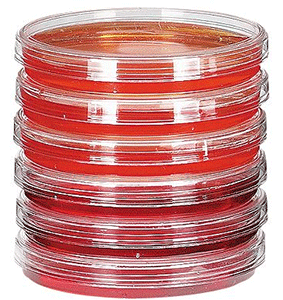
Sterile Petri Dishes
- What are you using the labware for?
- What scale of measurement are you operating in (gallons or milliliters)?
- What level of accuracy do you need?
- What chemicals will the labware be exposed to? (both the chemicals being handled and also chemicals in the environment)
- What other environmental parameters will the labware be exposed to? (Specifically, pressure or temperature)
- Who will be handling it?
- Will you have sterility needs? Does it need to be pre-sterilized? Will it be sterilized after purchase and by what method?
Four common sterilization techniques
Autoclave: Exposing an item to pressure and heat for a specific time
Ethylene Oxide: Exposing item to ethylene oxide gas for a specific time
Dry Heat: Exposing item to heat for an extended period of time
Chemical Disinfectants: Exposing the item to specific disinfectants such as formalin or quaternary ammonium compounds
Common Specifications
Transparency/Translucency: Transparency is the ability to clearly see through the material of construction and is used when the contents of the labware need viewing. Translucency is the ability for light to pass through the material and is necessary when the level of the contents needs viewing but the actual contents do not
Material of Construction determines the chemical compatibility, maximum and minimum use temperature, available sterilization methods, and transparency of the labware
Dimensions of the containers
Be the first to comment on "Lab Supplies: Questions to Ask When You Are Selecting Labware"